Advancing a New Approach to Hunger and Health through Food as Medicine
May 6, 2026
Innovation is critical in the fight against hunger, particularly in communities where food insecurity is closely tied to chronic illness and long-term health challenges. In Wisconsin, nearly 60% of adults live with at least one chronic disease, and almost 40% manage two or more. These realities underscore the need for solutions that address both immediate food access and long-term health outcomes.
While today’s food banking system plays a vital role in providing broad access to nutritious food, it is not always designed to meet individualized dietary needs. Recognizing this gap, Feeding America National Office (FANO) has convened the National Health and Nutrition Task Force, an initiative focused on strengthening collaboration between food banks and health care systems to better address food insecurity and chronic disease.
The task force brings together food banks from across the country to develop a more connected, sustainable service delivery model. In partnership with Feeding America’s national office, the group is working to align health care systems with hunger relief efforts, establishing not only operational strategies but also long-term funding frameworks to support this work.
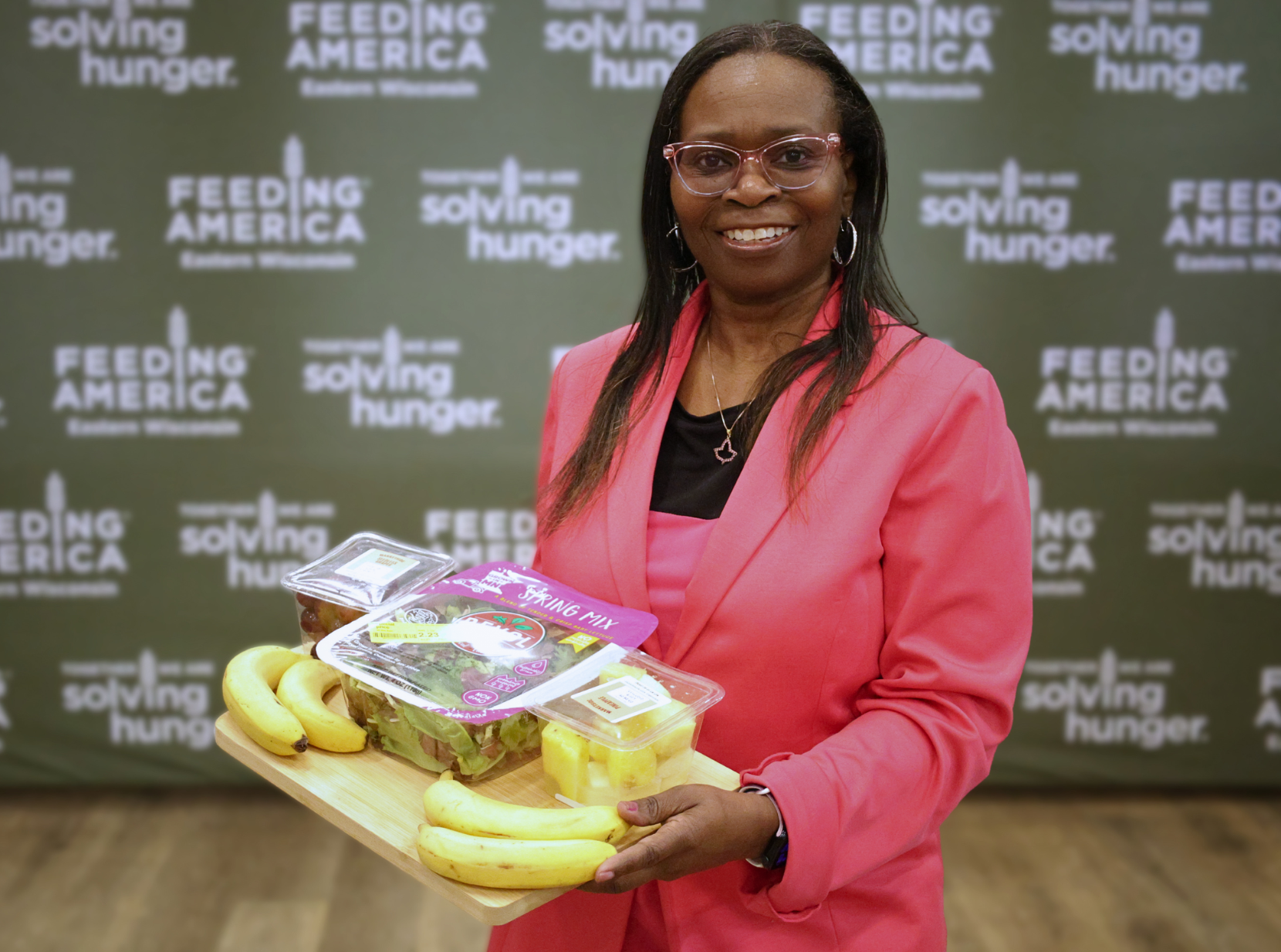
Michelle L. Ford, Feeding America Eastern Wisconsin’s Director of Health System Partnerships, is among a select group of leaders helping design and pilot this model at the national level, bringing deep expertise in health care transformation and community-based partnerships.
At the heart of the task force’s work is the development of a national pilot program designed to bring health care systems and food banks together as true partners. Under this model, health care organizations, including providers and payors, would serve as both partners and funders, while food banks would help individuals access the nutritious foods needed to prevent or better manage chronic illness. The model also emphasizes education and shared learning, helping both sectors better understand how food access directly influences health outcomes.
This approach reflects a growing national focus on Food as Medicine, the recognition that access to nutritious food is a critical component of health care. In Eastern Wisconsin, that work has been underway for several years.
Through solutions like NourishRx, Feeding America Eastern Wisconsin is partnering with health care providers to connect individuals experiencing food insecurity with nutritious food tailored to their specific health needs. By aligning food access with clinical care, NourishRx is helping ensure that food plays a direct role in improving health outcomes, not just addressing immediate hunger.
Ford’s leadership in this space is also being recognized beyond the task force. She was recently invited to present on a live virtual panel on May 27 hosted by Wisconsin Health News, focused on Food as Medicine. The opportunity brings together leading voices advancing this work across the region. She will join Kathy Koshgarian, CEO of Food For Health; Racher Roller, CEO of Dohmen Company Foundation; and Amanda Dreyer, Medicaid Director for the Wisconsin Department of Health Services. The invitation reflects growing recognition of Feeding America Eastern Wisconsin’s role in shaping how food access and health care intersect at both the local and national levels.
That perspective continues to shape her approach to this work.
“We’re not just focusing on a particular medical condition, but the story of an individual and how that person manages day to day,” Ford said.
This model represents a shift toward more holistic, person-centered care, recognizing that access to food, housing, and transportation all play a significant role in long-term health. It also highlights the importance of bridging two systems that have historically operated separately: community-based organizations and health care providers.
“This work is about bringing health care systems and community-based organizations together in a more coordinated way,” Ford said. “When we align around the needs of the individual, we can deliver more effective, sustainable solutions.”
The initiative remains in its early stages. Current partners are working with the task force to identify communities best positioned to participate in the pilot, with a focus on areas that have federally qualified health centers ready to engage alongside local food banks. Markets will ultimately be selected based on readiness, capacity, and alignment with funding priorities.
Cities selected for the pilot are expected to be announced in Fall 2027. While the City of Milwaukee is not guaranteed a spot, the groundwork being laid today is already creating meaningful opportunities locally. Ford has begun cultivating partnerships that could support similar efforts in Eastern Wisconsin, regardless of national selection.
Even in its early phases, the initiative signals a meaningful shift in how communities can address hunger and health together. It positions food banks not only as providers of food, but as essential partners in improving public health outcomes, advancing solutions that are both immediate and long-term.
As communities across the country continue to confront the complex relationship between food insecurity and health, efforts like Feeding America’s National Health and Nutrition Task Force offer a promising path forward grounded in partnership, innovation, and a shared commitment to improving lives.
To learn more about Feeding America Eastern Wisconsin’s approach to improving access to nutritious food and advancing health through NourishRx, visit FeedingAmericaWI.org/NourishRx.