New Map the Meal Gap Data Shows Food Insecurity Has Nearly Doubled Since the Pandemic
July 28, 2026
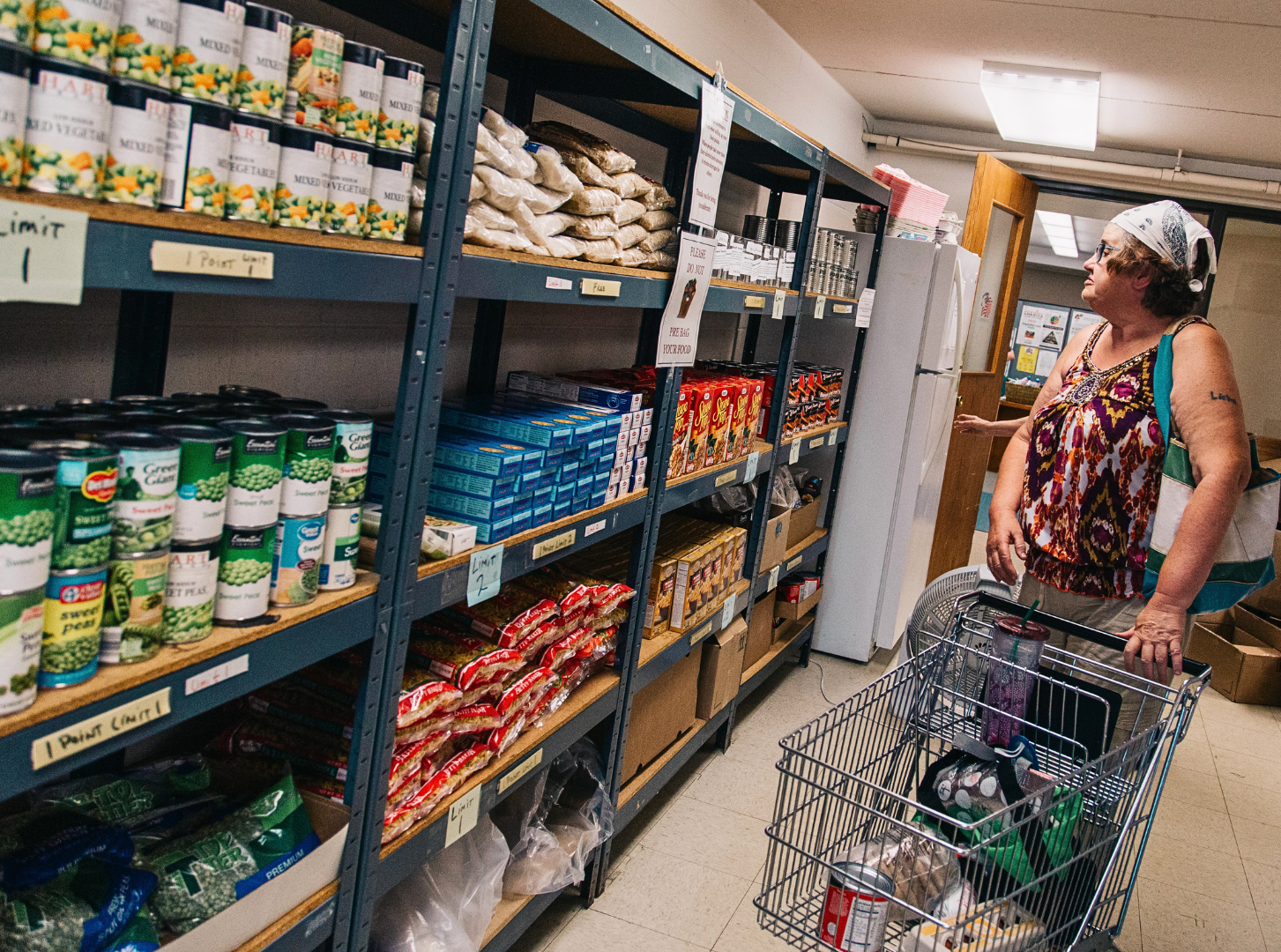
New data from Feeding America’s latest Map the Meal Gap study reveals that food insecurity across Eastern Wisconsin has nearly doubled since the pandemic, with 1-in-7 people now facing hunger. Based on 2024 estimates, the study shows food insecurity has risen from 7.3% in 2021 to 13.5% across Feeding America Eastern Wisconsin’s 35-county service area.
Childhood hunger is now at its highest level since the Great Recession. At the same time, one of the fastest-growing groups experiencing food insecurity is working families who earn too much to qualify for many public assistance programs but still struggle to afford groceries.
In total, 526,400 people across Eastern Wisconsin do not have consistent access to enough food, an increase of more than 66,000 neighbors from the year prior. The child food insecurity rate has also increased, from 16.3% to 20.7%, meaning 1-in-5 children in Eastern Wisconsin are living in food-insecure households. A growing share of children experiencing food insecurity now live in households above 185% of the federal poverty level, meaning many families are struggling to afford groceries but earn too much to qualify for free or reduced-price school meals or other nutrition assistance.
Another significant finding from this year’s report is the growing number of working families experiencing food insecurity. Across Eastern Wisconsin, an estimated 224,000 food insecure residents live in households with incomes above SNAP (FoodShare) eligibility levels. Many are employed and earning too much to qualify for public assistance, yet still cannot consistently afford enough food as housing, childcare, healthcare, and grocery costs continue to rise.
“These numbers confirm what we’re seeing every day across Eastern Wisconsin,” said Feeding America Eastern Wisconsin President and CEO, Monique Kelley. “More families are turning to food pantries not because they aren’t working, but because the cost of housing, childcare, healthcare, and groceries continues to outpace their paychecks. Too many parents are doing everything right and still can’t consistently put food on the table. That’s why it will take all of us, neighbors, businesses, policymakers, and community partners working together to ensure everyone has reliable access to the food they need.”
No county in Feeding America Eastern Wisconsin’s footprint saw a decrease in overall food insecurity. Every single county experienced an increase, reinforcing the reality that hunger is not isolated, it’s impacting every corner of our state, from rural towns to urban centers.
Milwaukee County saw one of the most significant increases in food insecurity, where the overall rate changed from 1-in-7 to 1-in-6 residents. The data also highlights persistent disparities across race and age, including 1-in-4 children, 1-in-3 Black residents, 1-in-3 Hispanic residents, and 1-in-8 White residents experiencing food insecurity.
The findings also underscore what decades of research and on-the-ground experience have shown: food insecurity disproportionately affects communities of color and households with low incomes. These disparities reflect long-standing systemic barriers to economic opportunity and access to nutritious food.
While the rate of food insecurity for White residents in our service area is 1-in-11, Black residents are three times as likely to experience hunger. Hispanic community members also face significantly higher rates, with 1-in-4 affected. These disparities demand continued investments in equitable solutions that address both immediate needs and the root causes of hunger.
Food insecure households across Eastern Wisconsin face an estimated $382 million annual food budget shortfall, representing nearly 100 million meals that families cannot afford each year. Meeting that need would require approximately 120 million pounds of food each year.
Feeding America’s Map the Meal Gap is the only study that provides local-level estimates of food insecurity and food costs for every county and congressional district in the United States. The study combines data from the USDA Economic Research Service, U.S. Census Bureau, Bureau of Labor Statistics, and NielsenIQ to provide a detailed picture of who is facing hunger and where they live. The study also estimates local meal costs and food budget shortfalls using food price data and grocery sales tax data from every county and state in the country.
Every day, Feeding America Eastern Wisconsin and its network of nearly 600 hunger relief partners work to ensure families have access to healthy, nutritious food, but rising need continues to outpace available resources. The latest Map the Meal Gap findings make clear that charitable food assistance alone cannot solve hunger. Continued investments in nutrition programs, community partnerships, and policies that support working families will be critical to reversing these trends.
To explore the data further and see how food insecurity affects your community, visit Feeding America’s interactive map HERE.